The Screenification of Car Cockpits: A Display-Dominated Future
Despite the periodic resurgence of physical buttons and knobs, the reality is clear: screens are here to stay, and their presence in our cars is only going to increase. Automotive technology is rapidly catching up with the consumer electronics industry, and that means a future filled with displays. Get ready for a cockpit experience unlike anything you've seen before.
Eyes Up: Windshield Displays Are Coming
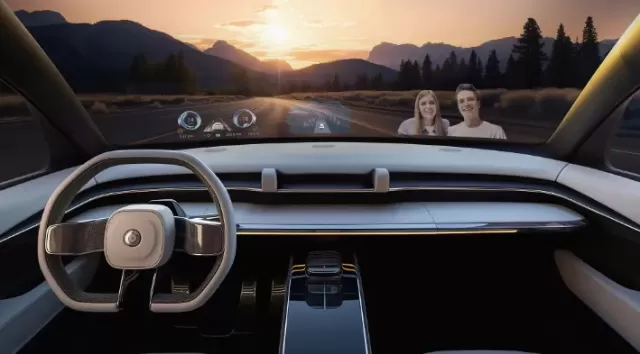
Imagine driving with vital information projected directly onto your windshield. This isn't science fiction; it's the direction automakers are heading. By 2026, the BMW iX3 is slated to arrive stateside, boasting a massive 43-inch Panoramic iDrive display situated at the base of the windshield. Similar to the 48-inch screen found in recent Lincoln models, this system aims to minimize driver distraction by keeping crucial information within the driver's line of sight.
BMW's approach takes it a step further by projecting images onto a specially coated windshield, delivering a sharp, high-contrast 4K resolution, even when wearing polarized sunglasses. This creates the illusion that the display is floating beyond the windshield, mimicking the effect of a traditional head-up display.
Holographic Head-Up Displays: The Next Level
Automakers aren't stopping at windshield-based screens; they're aiming to transform the entire windshield into a dynamic display surface. Envision driving data, navigation prompts, music information, and even video content seamlessly integrated into your field of vision via advanced head-up displays.
These future "holographic" systems will utilize a diffraction film embedded within the windshield to precisely focus light. This allows for a smaller projector unit, positioned closer to the windshield, while simultaneously boosting brightness and clarity. This technology could also create passenger-specific viewing zones, ensuring that potentially distracting content remains unseen by the driver. Industry suppliers, like Hyundai Mobis in collaboration with Zeiss, are actively developing these systems, with potential production as early as 2027.
Windows as Screens: A Transparent Revolution
MicroLED technology is poised to revolutionize the way we interact with our cars. By embedding microscopic, individually controlled LEDs directly into glass, this innovation has the potential to transform every window into a fully functional screen.
Companies are already demonstrating panoramic roofs and rear side windows capable of displaying dynamic visuals, such as simulated fireworks displays, constellations against a cloudy sky, or even turning the exterior world into a virtual aquarium. When deactivated, the MicroLEDs allow a significant amount of light to pass through (around 55%). When switched to black, they function as effective window tints, blocking nearly all light (around 98%). Interactive touchscreen concepts are also in development, potentially allowing passengers to play games directly on their windows.