Epaulette Sharks Reproduce Without Any Extra Energy Cost
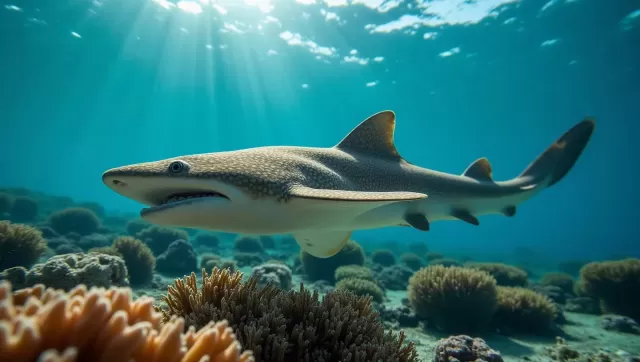
Marine biologists at James Cook University have recently uncovered a physiological phenomenon that challenges decades of scientific assumptions regarding the cost of reproduction. Focusing on the epaulette shark—a species famous for its ability to "walk" across shallow reefs—the research team discovered that these animals can produce and lay eggs without any measurable increase in their metabolic energy.
A Breakthrough in Marine Energy Efficiency
In the animal kingdom, creating new life is traditionally viewed as one of the most resource-intensive biological processes. Most species experience a significant spike in oxygen consumption and energy expenditure when producing offspring. However, the JCU study, led by Professor Jodie Rummer, found that the metabolic rate of the epaulette shark remains remarkably flat throughout its reproductive cycle.
This suggests that the species has evolved a unique physiological strategy to optimize energy use. Instead of diverting extra power toward the complex task of building egg cases, these sharks seem to maintain a steady state of efficiency that allows them to reproduce without straining their physical reserves.
Precise Monitoring of the Reproductive Cycle
The research team conducted their observations at the Marine and Aquaculture Research Facility in Townsville. By monitoring female sharks within temperature-controlled environments, they were able to track biological changes during the peak egg-laying season, which typically runs from September to December.
To quantify the energy requirements of the sharks, the researchers utilized several specialized metrics:
- Oxygen uptake rates to serve as a direct proxy for metabolic speed.
- Frequent analysis of blood chemistry to detect internal physiological shifts.
- Consistent monitoring of hormone levels throughout the egg-case formation process.
Despite the physical complexity of the three-week egg-production cycle, the data remained exceptionally stable. This stability indicates that the internal "cost" of making an egg is far lower than scientists previously anticipated for chondrichthyan fishes, a group that includes sharks, rays, and skates.
Resilience in the Face of Climate Change
These findings offer a glimmer of hope for marine conservation, particularly regarding the impact of warming oceans. In many marine species, environmental stress forces a difficult trade-off: an animal must often choose between its own survival and the ability to reproduce. If an environment becomes too harsh, reproduction is typically the first biological function to shut down.
The epaulette shark's efficient energy management suggests a high level of resilience. If these sharks can continue to produce eggs under stress without a massive energy drain, they may be better equipped to survive the shifting conditions of modern coral reefs. According to the study's lead author, Dr. Carolyn Wheeler, this discovery is a positive sign for biodiversity, as maintaining healthy shark populations is essential for the overall stability of reef ecosystems.
Future Directions for Shark Research
This study redefines the narrative surrounding shark physiology and reproductive biology. By proving that reproduction doesn't always require a massive metabolic surge, the JCU team has opened the door for further investigation into how other reef-dwelling species manage their energy budgets. Understanding these hidden efficiencies is critical for predicting how marine life will adapt to the ongoing challenges of environmental change and habitat loss.