
Recreational Drugs More Than Double Stroke Risk: Study
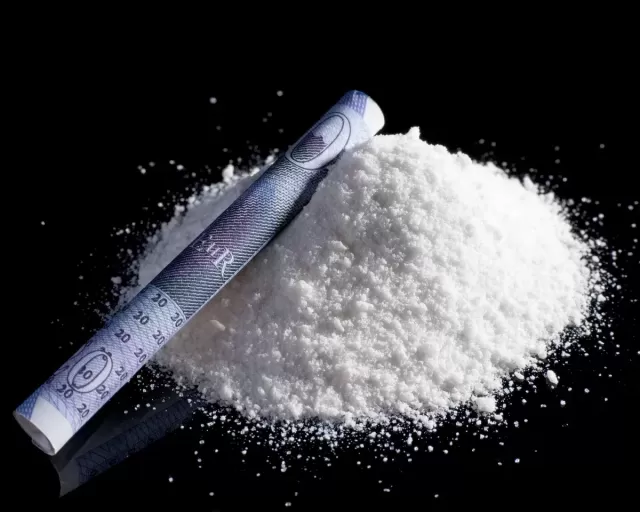
A comprehensive analysis of global health data has revealed a disturbing connection between recreational drug use and a significantly elevated risk of stroke. Reviewing information from over 100 million individuals across 32 studies, researchers confirmed that substance abuse is a major, preventable factor in stroke occurrence, with certain drugs more than doubling the likelihood of this life-threatening event.
How Different Drugs Impact Stroke Risk
The study delineated clear disparities in risk levels associated with various substances:
- Amphetamines: Users faced a staggering 122% increase in stroke risk compared to non-users.
- Cocaine: Consumption was linked to a 96% higher risk of suffering a stroke.
- Cannabis: Use was associated with a 37% greater risk compared to those who abstain.
- Opioids: Interestingly, the review found no conclusive evidence tying opioid use to an increased stroke risk.
Younger Populations Are Not Immune
Contrary to assumptions that stroke primarily affects older adults, this increased danger extends sharply into younger demographics. For individuals under 55 years old:
- Amphetamine users experienced a risk nearly three times higher.
- Cocaine use correlated with a 97% elevated risk.
- Cannabis use showed a 14% increase in stroke risk within this age group.
Experts emphasize that this underscores a critical public health message: illicit drug use represents a modifiable risk factor that younger people may gravely underestimate.
Understanding the Mechanisms
These substances contribute to stroke through several physiological pathways:
- Amphetamines and Cocaine: These drugs can cause dramatic spikes in blood pressure and constrict blood vessels within the brain. This dual action raises the risk for both hemorrhagic strokes (bleeds) and ischemic strokes (blockages). Cocaine additionally accelerates atherosclerosis, the buildup of plaque that hardens and narrows arteries.
- Cannabis: It also promotes blood vessel constriction and may increase the likelihood of blood clot formation, further compromising cerebral blood flow.
The Global Rise in Drug Use and Its Implications
This research arrives amidst a concerning upward trend in global recreational drug consumption. United Nations estimates indicate approximately 300 million people regularly use illicit substances, including:
- Around 228 million cannabis users
- An estimated 30 million amphetamine users
- About 23 million cocaine users
This widespread usage amplifies the potential public health impact, making stroke prevention education more urgent than ever.
Steps to Reduce Your Stroke Risk
Since the majority of strokes are preventable, adopting a heart-healthy lifestyle is paramount. Key recommendations include:
- Maintaining a balanced, nutritious diet rich in fruits and vegetables.
- Limiting alcohol intake.
- Engaging in regular physical activity.
- Avoiding all tobacco products, including vaping.
- Steering clear of illegal drug use.
Ultimately, the choice to avoid recreational drugs is a powerful step in safeguarding long-term brain and cardiovascular health.