Navigating the Ultra-Processed Food Landscape: What You Need to Know
In today's fast-paced world, ultra-processed foods (UPFs) have become a dominant part of our diets. From convenient snacks to ready-made meals, these products are readily available and heavily marketed. But what exactly are UPFs, and what impact do they have on our health? This article delves into the complexities of UPFs, providing a comprehensive overview of their classification, health implications, and strategies for making informed dietary choices.
Understanding Ultra-Processed Foods (UPFs)
UPFs are multi-ingredient foods that undergo extensive industrial processing and contain additives not typically found in home cooking. These additives are often used to enhance shelf life, appearance, flavor, or texture. The American Heart Association highlights the growing concern about UPFs due to their widespread consumption and potential health risks.
The NOVA Classification System
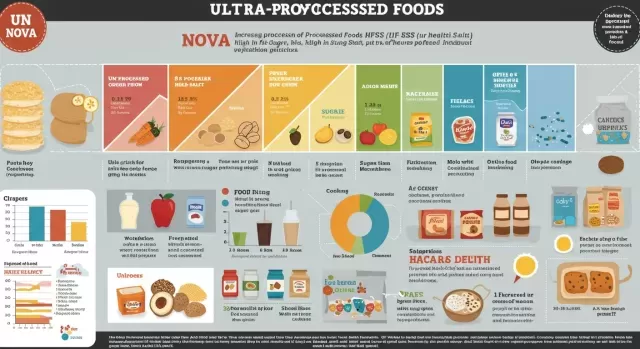
The NOVA system is the most widely used framework for classifying foods based on the extent and purpose of industrial processing. It categorizes foods into four groups:
- Group 1: Unprocessed or minimally processed foods (e.g., fruits, vegetables, grains, legumes, meat).
- Group 2: Processed culinary ingredients (e.g., oils, salt, sugar).
- Group 3: Processed foods (e.g., canned vegetables, cheese, bread).
- Group 4: Ultra-processed foods (e.g., sugary drinks, processed meats, packaged snacks).
Key Characteristics of UPFs
Most UPFs share several characteristics:
- High in HFSS: Many UPFs are high in saturated fats, added sugars, and sodium (HFSS), contributing to excessive calorie intake.
- Additives: They often contain additives like artificial flavors, colors, and preservatives.
- Industrial Processing: They undergo multiple industrial processes, such as extrusion, molding, and pre-frying.
- Low Nutritional Value: Compared to whole foods, UPFs tend to be lower in essential nutrients like vitamins, minerals, and fiber.
The Health Impact of UPFs
Numerous studies have linked high UPF consumption to adverse health outcomes. A meta-analysis of prospective studies reveals a dose-response relationship between UPF intake and:
- Cardiovascular events (e.g., heart attack, stroke)
- Type 2 diabetes
- Obesity
- All-cause mortality
High vs. low UPF intake was associated with a 25%-58% increased risk of cardiometabolic outcomes and a 21%-66% increased risk of mortality.
Health Risks Associated with High UPF Consumption
| Health Outcome | Increased Risk (High vs. Low UPF Intake) |
|---|---|
| Cardiometabolic Events | 25%-58% |
| All-Cause Mortality | 21%-66% |
It's important to note that not all UPFs are created equal. Some UPFs, such as certain whole-grain breads, low-fat dairy products, and plant-based alternatives, can have positive nutritional value and fit into a healthy dietary pattern.
The Role of Additives and Processing Techniques
Emerging evidence suggests that certain additives and industrial processing techniques may have negative health effects. These factors could contribute to the adverse health outcomes associated with UPF consumption, even beyond their poor nutritional composition.
Why are UPFs So Popular?
UPFs are often inexpensive, convenient, and aggressively marketed, particularly to youth and under-resourced communities. This combination of factors has led to a significant increase in UPF consumption over the past few decades, displacing healthier alternatives. According to a CDC report, UPFs account for a substantial portion of calorie intake in the U.S.:
- Overall: 55% of calories consumed by people ages 1 and older
- Youth (1-18 years): Nearly 62% of calories
- Adults (19+ years): 53% of calories
Families with lower incomes tend to consume a higher percentage of UPFs compared to higher-income groups.
Strategies for Reducing UPF Intake
The American Heart Association recommends the following strategies to reduce UPF consumption and promote better health:
- Reduce Intake: Minimize consumption of UPFs, especially those high in saturated fat, added sugars, and sodium.
- Replace with Healthier Options: Choose vegetables, fruits, whole grains, beans, nuts, seeds, and lean proteins.
- Prioritize Home Cooking: Prepare meals using fresh, whole ingredients whenever possible.
- Read Labels Carefully: Pay attention to ingredient lists and nutrition facts panels.
- Limit Sugary Drinks: Replace sodas and other sugary beverages with water, unsweetened tea, or infused water.
- Choose Whole Grains: Opt for whole-grain bread, pasta, and cereals instead of refined grains.
- Snack Smart: Choose healthy snacks like fruits, vegetables, nuts, or yogurt instead of packaged snacks.
- Be Mindful of Marketing: Be aware of marketing tactics that promote UPFs and make informed choices.
The need for More Research
While the evidence linking UPF consumption to adverse health outcomes is growing, more research is needed to fully understand the underlying mechanisms and identify specific risk factors. Key areas of focus include:
- Impact of Processing: Determine whether the processing itself contributes to the harmful effects of UPFs, beyond their nutritional composition.
- Role of Additives: Investigate the health effects of specific food additives and processing techniques.
- Thresholds for Consumption: Identify safe levels of UPF consumption and the incremental risks of eating more UPFs.
Policy and Regulatory Reforms
To improve public health and reduce risks associated with UPFs, the American Heart Association calls for several policy and regulatory changes:
- Multi-pronged strategies: Implement strategies to reduce intake of HFSS products.
- Increase research funding: Support research to address critical questions about UPFs and their impact on health.
- Improve food additive science: Streamline the evaluation and regulation of food additives.
By reducing our consumption of the most harmful UPFs and replacing them with whole, nutritious foods, we can improve our short- and long-term health.
FAQs
1. Are all processed foods bad for you?
No, not all processed foods are unhealthy. Minimally processed foods like canned beans or frozen fruits can be nutritious and convenient. The key is to focus on reducing your intake of ultra-processed foods.
2. How can I tell if a food is ultra-processed?
Check the ingredient list. If it contains many ingredients you don't recognize, especially additives like artificial flavors, colors, or preservatives, it's likely an ultra-processed food.
3. Is it possible to eat healthy while consuming some UPFs?
Yes, it's possible to incorporate some UPFs into a healthy diet, especially those with better nutritional profiles like whole-grain bread or low-fat yogurt. However, the majority of your diet should consist of whole, unprocessed foods.
4. What are some simple swaps to reduce UPF intake?
- Instead of sugary drinks, choose water or unsweetened tea.
- Instead of packaged snacks, opt for fruits, vegetables, or nuts.
- Instead of processed meats, choose lean proteins like fish or poultry.
- Instead of ready-made meals, cook at home using fresh ingredients.