OpenAI Eyes 2026 for AI Practical Adoption, Boosts Compute
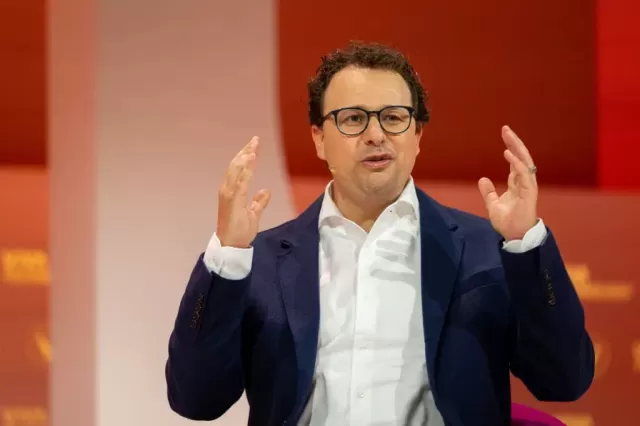
OpenAI is targeting 2026 as the year for widespread "practical adoption" of its AI technologies, according to its Chief Financial Officer, Sarah Friar. In a recent blog post, Friar emphasized the company's strategic focus on bridging the gap between AI's current capabilities and its everyday use by individuals, businesses, and nations. She highlighted significant opportunities for AI to drive better outcomes, particularly in critical sectors like healthcare, scientific research, and enterprise operations.
Friar detailed OpenAI's approach to monetizing its services, such as ChatGPT, while simultaneously ensuring the substantial computational power required to sustain these offerings. She explained that the company's revenue growth is directly correlated with its access to technical infrastructure. OpenAI experienced a dramatic surge in compute capacity, increasing from 0.2 gigawatts in 2023 to approximately 1.9 GW in 2025. This expansion mirrored the company's annual revenue run rate, which jumped from $2 billion in 2023 to over $20 billion by the following year. Friar described this growth as unprecedented in its scale and asserted that increased compute availability during these periods would have accelerated customer adoption and revenue generation.
This announcement from OpenAI's CFO arrives amid increasing scrutiny of the AI industry's immense financial demands. The sector faces challenges in funding the construction of data centers and securing the necessary energy and components to power advanced AI, with returns on investment still in nascent stages.
A significant development in this area is a reported September agreement between OpenAI and chip manufacturer Nvidia. Under this arrangement, Nvidia is said to have committed $100 billion to support OpenAI's efforts in building and deploying at least 10 GW of Nvidia's computing systems. For context, 10 GW of power is comparable to the annual energy consumption of roughly 8 million American households. However, concerns have been raised regarding the definitive nature of this agreement, as Nvidia cautioned investors in November about the uncertainty of its progression beyond an announcement to a formal contract.
Friar acknowledged the long-term nature of securing advanced compute resources, stating that significant commitments are made years in advance and that growth is not always linear. She noted that OpenAI has evolved from relying on a single compute provider three years ago to working with a diverse ecosystem today. This diversification, she explained, allows OpenAI to confidently plan, finance, and implement capacity expansion in a market where compute access is a critical determinant of scalability.
OpenAI envisions its business model scaling in tandem with its service offerings. Friar anticipates the emergence of new economic frameworks as AI integration deepens in areas like scientific discovery, pharmaceutical development, energy management, and financial analysis.
This blog post follows OpenAI's recent announcement regarding its plans to trial advertisements for select ChatGPT users in the United States, signaling preparations for a potential public offering this year. Friar stressed that monetization strategies should be seamlessly integrated and enhance the user experience, asserting that any monetization that fails to add value is inappropriate.