Turning Waste into Wealth: Biochar from Human Excrement as a Sustainable Fertilizer
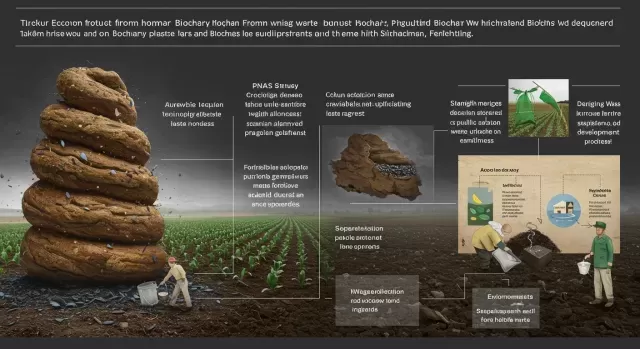
The global demand for food is continuously increasing, placing immense pressure on agricultural systems. This has led to a heavy reliance on synthetic fertilizers, which, while boosting crop yields, are associated with significant environmental consequences. But what if we could turn a major waste product – human waste – into a valuable resource for sustainable agriculture? Emerging research suggests this may be more than just a pipe dream; it could be a critical component of a circular economy.
The Problem with Current Fertilizers
Traditional synthetic fertilizers provide essential nutrients like nitrogen, phosphorus, and potassium (NPK) that plants need to thrive. However, their production and use come at a steep environmental price:
- Nitrogen Fertilizers: The Haber-Bosch process, used to create ammonia for nitrogen fertilizers, is incredibly energy-intensive. It releases vast amounts of carbon dioxide, contributing significantly to greenhouse gas emissions. The application of these fertilizers can also lead to nitrous oxide emissions, a potent greenhouse gas, and water pollution from excess nitrogen runoff.
- Phosphorus Fertilizers: Phosphorus is primarily obtained from phosphate rock through strip mining, an environmentally destructive process that scars landscapes and generates radioactive waste.
- Potassium Fertilizers: Potash mining, the primary source of potassium, results in soil salinization and freshwater contamination due to the massive amounts of salt byproducts.
Moreover, global reserves of phosphorus and potassium are finite and unevenly distributed. This creates geopolitical vulnerabilities, as countries reliant on imports may face food security risks. One example is Morocco, which controls 70% of the world's phosphate reserves.
Human Waste: A Nutrient-Rich Resource
Human excrement, often viewed as a waste disposal problem, is actually a rich source of valuable nutrients – nitrogen, phosphorus, and potassium – essential for plant growth. Instead of treating it as waste, we could leverage it as a sustainable alternative to synthetic fertilizers.
Biochar from Human Waste: A Potential Solution
Biochar, a charcoal-like substance produced by heating organic matter in a low-oxygen environment, has emerged as a promising soil amendment. When produced from human waste, biochar can provide several benefits:
- Nutrient Recovery: Biochar effectively captures and concentrates nutrients from human waste, making them available to plants in a slow-release form.
- Carbon Sequestration: The biochar production process locks carbon into a stable form, removing it from the atmosphere and acting as a carbon sink.
- Volume Reduction: The process significantly reduces the volume and weight of solid excrement, making it easier and more cost-effective to transport and manage. The article suggests up to 90% reduction in volume and weight.
- Pollution Mitigation: Unlike traditional sewage sludge, biochar production can minimize the presence of microplastics, heavy metals, pathogens, and pharmaceuticals by separating the waste stream at the source.
- Customizable Nutrient Profiles: Biochar production allows for adjusting nutrient proportions to meet the specific needs of different crops. This can reduce the risk of over-fertilization, which leads to weed growth and eutrophication (nutrient pollution in waterways).
A study published in the Proceedings of the National Academy of Sciences (PNAS) estimates that biochar produced from human waste could potentially supply a significant portion of global fertilizer needs:
- Phosphorus: Biochar from solid excrement could provide up to 7% of the world's annual phosphorus demand.
- Nitrogen, Phosphorus, Potassium: When combined with nutrients recovered from urine, biochar could potentially provide 15% of annual phosphorus application, 17% of nitrogen, and up to 25% of potassium.
A Circular Economy for Nutrients
The utilization of human waste as a fertilizer source aligns perfectly with the principles of a circular economy. Instead of relying on resource-intensive and environmentally damaging processes for fertilizer production, we can close the loop by:
- Collecting and Separating Waste: Implementing systems to collect and separate human waste at the source.
- Producing Biochar: Converting the waste into biochar through pyrolysis or other thermal treatment methods.
- Applying Biochar to Soil: Using biochar as a soil amendment to provide nutrients, improve soil health, and sequester carbon.
- Sustainable Agriculture: Promoting sustainable agricultural practices that reduce reliance on synthetic fertilizers and minimize environmental impacts.
This approach not only addresses fertilizer shortages and environmental concerns but also reduces reliance on imported fertilizers, enhancing food security and resilience, especially in developing countries.
Benefits Beyond Agriculture
The benefits of recovering resources from human waste extend beyond agriculture:
- Reduced Greenhouse Gas Emissions: By replacing synthetic fertilizers with biochar from human waste, we can significantly reduce greenhouse gas emissions from fertilizer production and use.
- Improved Sanitation: Effective waste management can improve sanitation and reduce the spread of diseases.
- Resource Independence: Recycling nutrients domestically reduces dependence on external sources of fertilizers, bolstering food security and empowering local communities.
Challenges and Opportunities
While the potential of biochar from human waste is significant, several challenges need to be addressed:
- Public Perception: Overcoming the stigma associated with using human waste as fertilizer. Education and awareness campaigns are crucial to change public perception.
- Technology Development: Further research and development are needed to optimize biochar production processes and ensure the safety and effectiveness of the resulting products.
- Infrastructure Investment: Investing in infrastructure for waste collection, separation, and biochar production.
- Regulatory Frameworks: Establishing clear regulatory frameworks to ensure the safe and sustainable use of biochar from human waste.
Overcoming these challenges will unlock the full potential of human waste as a sustainable fertilizer source, contributing to a more resilient, equitable, and environmentally sound future.
Table: Comparing Fertilizer Sources
| Feature | Synthetic Fertilizers | Treated Sewage Sludge | Biochar from Human Waste |
|---|---|---|---|
| Nutrient Content | High | Variable | Customizable |
| Environmental Impact | High | Moderate to High | Low |
| Pollutant Content | Low | High | Low |
| Volume Reduction | N/A | Low | High |
| Carbon Sequestration | None | Low | High |
| Cost | Moderate | Low | Varies |
| Regulatory Acceptance | High | Variable | Developing |
FAQs
Q: Is biochar from human waste safe to use on crops?
A: Yes, when produced properly, biochar from human waste is safe to use on crops. The high temperatures involved in the biochar production process effectively destroy pathogens and reduce the levels of contaminants. However, it's essential to follow regulatory guidelines and ensure the biochar meets quality standards before application.
Q: Can biochar replace synthetic fertilizers completely?
A: While biochar from human waste has the potential to replace a significant portion of synthetic fertilizers, it may not be able to replace them completely in all situations. The specific nutrient needs of crops vary depending on the type of crop, soil conditions, and growing environment. However, incorporating biochar into a comprehensive soil management strategy can significantly reduce the reliance on synthetic fertilizers.
Q: How does biochar benefit the soil?
A: Biochar offers several benefits to the soil, including improved water retention, enhanced nutrient availability, increased microbial activity, and reduced soil acidity. It can also improve soil structure, leading to better aeration and drainage.
Q: Where can I learn more about biochar from human waste?
A: You can find more information about biochar from human waste by searching for research articles, reports, and publications from universities, research institutions, and organizations working on sustainable agriculture and waste management. Search for studies on "humanure biochar fertilizer" or "circular economy agriculture."