SpaceX Eyes 2026 IPO Amidst AI, Orbit Data Center Growth
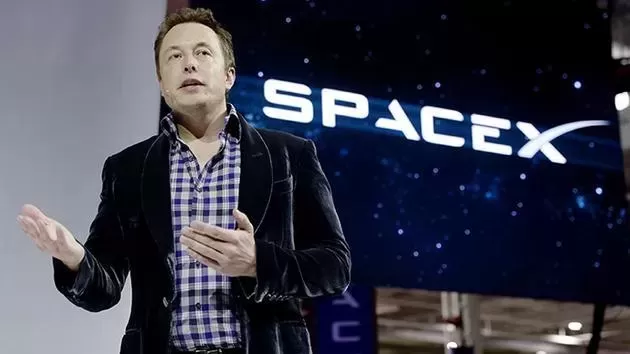
Elon Musk, the visionary CEO of SpaceX, has officially confirmed his company's highly anticipated initial public offering (IPO), setting the stage for a public listing in 2026. Responding to an article by Eric Berger of Ars Technica, Musk validated the information on X, stating, "As usual, Eric is accurate." This direct affirmation from the company's leader clarifies market speculation, providing a definitive timeline for one of the most significant public offerings in recent years.
Berger's analysis, endorsed by Musk, highlighted critical factors making 2026 optimal for SpaceX's IPO. Key among these are opportunities driven by artificial intelligence (AI) and the strategic potential for establishing in-space data centers. This innovative frontier, leveraging Starlink, promises unprecedented speed and lower latency for AI applications. It positions SpaceX not merely as a leader in space transport and internet, but as a crucial enabler of future space-based computational infrastructure, offering a compelling narrative for investors.
Musk's statement follows intense media coverage. The Information and The Wall Street Journal both reported on the likely 2026 IPO, mentioning a share sale valuing SpaceX at a staggering $800 billion. Bloomberg further corroborated the 2026 timeline, suggesting SpaceX aims to raise over $30 billion. However, Musk swiftly clarified financial aspects. Over the weekend, he specifically addressed the reported $800 billion valuation, stating on X that such figures were "not accurate," without providing an alternative.
Musk also used the opportunity to dispel misconceptions regarding SpaceX's financial reliance on government contracts. He firmly stated, "While I have great fondness for @NASA, they will constitute less than 5% of our revenue next year." Emphasizing commercial prowess, he continued, "Commercial Starlink is by far our largest contributor to revenue. Claims that SpaceX gets 'subsidized' by NASA are absolutely false." This clarification underscores Starlink's rapidly expanding market dominance as the primary financial engine, diversifying revenue beyond NASA partnerships.
As SpaceX approaches its pivotal IPO year, Elon Musk stands to gain a significant ally within the U.S. government's space program. Jared Isaacman, a prominent entrepreneur who financed and led two private spaceflights with SpaceX in 2021 and 2024, is now firmly on track to become the next NASA administrator. His nomination cleared a crucial committee vote on Monday, positioning him for a full Senate confirmation. Isaacman's direct experience as a SpaceX customer suggests heightened collaboration and smoother operations between NASA and its primary private contractor.
This prospective appointment marks a notable shift from recent tensions. While SpaceX is indispensable to NASA, acting administrator Sean Duffy, currently Secretary of Transportation, publicly criticized SpaceX's progress on the crucial Artemis moon mission, which faced delays. These criticisms escalated into a sharp public exchange on X, with Musk accusing Duffy of "trying to kill NASA!" Duffy had been temporarily placed in charge of the space program by President Donald Trump over the summer, after Trump initially rescinded Isaacman's nomination, citing the entrepreneur's close ties to Musk as a "conflict of interest."
However, Isaacman's renomination in early November clearly signaled a significant thawing in the often-strained relationship between the Trump administration and Elon Musk. This renewed camaraderie was further cemented by the Tesla CEO's subsequent attendance at a White House dinner later that month. These developments collectively indicate improved relations, potentially paving the way for a more collaborative future as SpaceX continues its ambitious trajectory towards an IPO.