Iraq Nationalizes West Qurna 2 Amidst Lukoil Sanctions
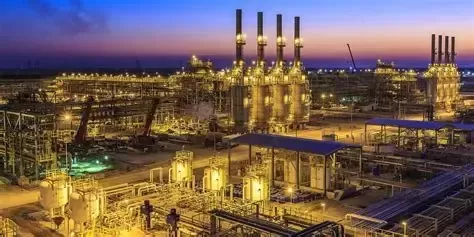
The Iraqi government has formally moved to bring the massive West Qurna 2 oilfield under full state control. This decision, ratified by the cabinet, initiates the nationalization of operations at one of the world's largest oilfields, acting upon terms within the existing service contract with Russian firm Lukoil.
To streamline the financial logistics of this transition, the cabinet has authorized seeking funding through the Majnoon oilfield's financial account. This account will be reinforced with revenue generated from crude oil sales handled by Iraq's state-owned marketing company, SOMO.
Operational and Financial Management
The handover of operational control will be managed by the state-run Basra Oil Company. According to an on-site manager, the company will oversee all local payroll, day-to-day operational costs, and payments to subcontractors. Utilizing a dedicated account linked to the Majnoon field is intended to simplify and expedite this financial process.
Current production levels at West Qurna 2 are reported to be stable, maintaining an output between 465,000 and 480,000 barrels per day throughout this period of change.
Rationale Behind the Nationalization
Officials within Iraq's Oil Ministry have cited the need to safeguard production as a primary motive for the takeover. The move is a direct response to international sanctions imposed on Lukoil, which created risks for operational continuity. Lukoil had previously invoked force majeure at the field following sanctions that also targeted other Russian energy entities.
The shifting ownership landscape has attracted significant interest from the international energy sector. Reports indicate that approximately a dozen investors, including major American corporations and global investment firms, have expressed potential interest in the asset.
Strategic Significance of the Asset
For Lukoil, the 75% operating stake in West Qurna 2 represented its most substantial foreign holding. The field itself is a critical component of global and Iraqi oil supply, contributing an estimated:
- 9% of Iraq's total crude output.
- 0.5% of the world's daily oil supply.
This strategic nationalization reinforces state control over a vital revenue source for Iraq, the second-largest producer within the OPEC consortium.