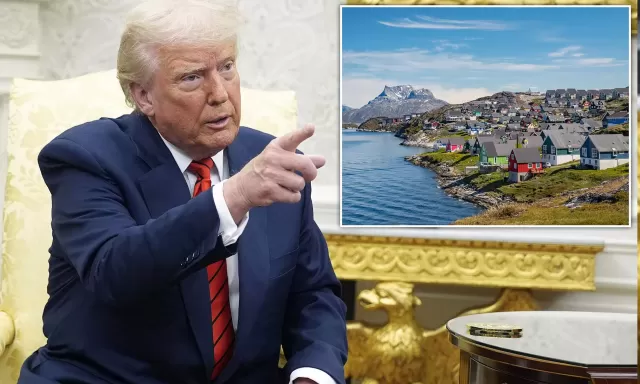
Rethinking Greenland: Sovereignty vs. Global Stewardship
The recent geopolitical focus on Greenland has sparked a renewed debate about sovereignty, climate responsibility, and the future of international cooperation. While some political responses have aimed to maintain a traditional diplomatic stance, a growing chorus of voices argues that the moment demands greater vision and innovative governance models.
A Precedent for Global Stewardship: The Antarctic Model
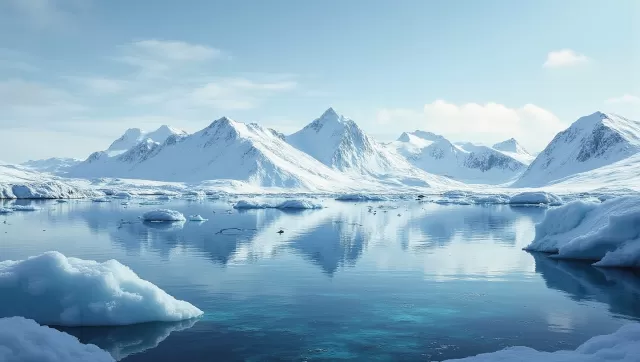
History provides a powerful blueprint for handling regions of global significance. For over six decades, the Antarctic Treaty System has successfully preserved a continent for peace and scientific research, setting aside national territorial claims. This framework demonstrates that nations can agree certain territories are too vital for humanity's common future to be subject to traditional ownership or military competition.
This principle applies with even greater urgency to Greenland. The island's immense ice sheet is a critical regulator of the global climate system; its stability directly impacts every nation. Proposals are now emerging for the establishment of a new, strong international protectorate for Greenland. Such a framework would explicitly safeguard the rights of the Greenlandic people, including a veto over terms, while addressing shared global concerns over climate security and regional stability. For entities like the UK and the EU, championing such a diplomatic initiative would be a tangible demonstration of leadership on the road back to multilateral cooperation.
Public Backlash Against Corporate Influence
Parallel to the policy discussion, there is significant public dismay over the role of private interests in these geopolitical maneuvers. Reports of billionaires with extensive business holdings leveraging personal relationships to influence state decisions have been met with disgust. For many citizens, this exemplifies a broader pattern of resource and influence exploitation. This sentiment has even translated into personal consumer choices, as individuals re-evaluate their support for corporations linked to figures perceived as prioritizing private gain over planetary and communal well-being.
Reimagining Greenland's International Relationships
Greenland's historical ties offer another potential path. Having been part of the European Community until 1985, the possibility of a renewed, closer relationship with the European Union is being revisited. In the face of external pressure, a fast-tracked re-entry or deepened partnership could offer Greenland a robust alternative alliance, reinforcing its autonomy and preferences within a familiar collaborative framework.
Creative Diplomacy and Historical Irony
The situation has also inspired calls for creative diplomatic pressure. Suggestions have been made for collective, symbolic actions by European nations—such as reconsidering participation in major international sporting events hosted in the United States—to signal profound disapproval of any coercive attempts to alter Greenland's status.
Furthermore, the rhetoric used to question Greenland's sovereignty has not gone unnoticed for its historical irony. The suggestion that established territorial claims lack legitimacy because they originated from historical exploration and settlement is an argument that could be applied to many modern nations, not least the one making the critique. This inconsistency highlights the selective application of principles in international discourse.
The Greenland discourse serves as a stark reminder. Accommodating aggressive posturing rarely leads to lasting stability. The current moment challenges the international community to move beyond reactive statements and draw from the lessons of history to build innovative, equitable systems of stewardship for our shared world.