
Island Wolf Discovery Reshapes History of Human-Wolf Bonds
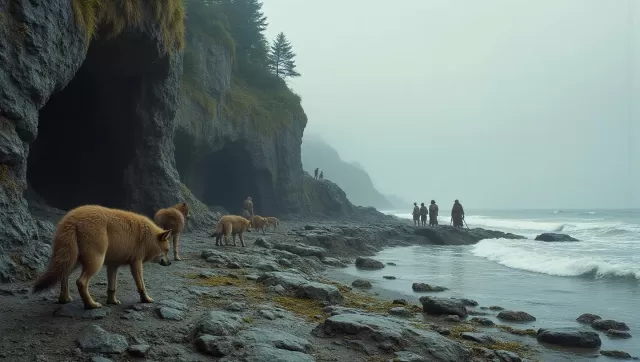
A remarkable archaeological discovery on a remote Swedish island is reshaping our understanding of the ancient bond between humans and wolves. Scientists have unearthed wolf remains in a cave on Stora Karlsö, a tiny island in the Baltic Sea with no native land mammals. The findings strongly suggest that Neolithic and Bronze Age people transported these animals by boat and maintained a close, possibly managed, relationship with them.
Genetic Analysis Confirms Wolf Identity
Advanced DNA testing on recovered bones confirmed the animals were grey wolves, not early domesticated dogs. Despite their wild genetic profile, multiple lines of evidence point to an unusually close association with the human inhabitants of the island.
Dietary Evidence: Chemical analysis of the bones revealed a diet rich in marine food, such as seals and fish. This matches the diet of the seal hunters and fishers who used the Stora Förvar cave, indicating the wolves were likely fed by people.
Physical and Genetic Traits: The island wolves were smaller than their mainland counterparts. One individual exhibited remarkably low genetic diversity, a pattern often observed in isolated populations or species under human control.
Evidence of Care: One wolf from the Bronze Age period survived a severe limb bone injury that would have crippled its hunting ability. Its survival implies it may have received human care or lived in a protected environment.
Challenging Traditional Views on Domestication
The presence of wolves living alongside humans in this isolated setting challenges the conventional narrative of wolf domestication. Researchers note that these wolves were not dogs, yet their sustained presence on an island accessible only by human boat points to deliberate and ongoing human involvement.
The nature of this relationship remains a subject of investigation. Were these wolves tamed, kept in captivity, or managed in a loose partnership? The evidence opens the door to the possibility that prehistoric societies experimented with wolf relationships that did not follow the direct path to modern dog breeds.
A Complex Picture of Prehistoric Coexistence
This discovery underscores that human-wolf interactions in prehistory were far more diverse and complex than simple predation or avoidance. The combination of archaeological, genetic, and chemical data paints a picture of cooperative relationships and early management practices.
It suggests that in specific contexts, humans found value in keeping wolves within their settlements, potentially for a variety of roles that preceded full domestication. This finding encourages a broader view of animal relationships in our past, where the lines between wild and managed were often blurred and culturally specific.